







7 min read
Choosing a DMC for South Africa
What a destination management company does in South Africa, what an overseas operator should ask before appointing one, and where Famous Africa fits.
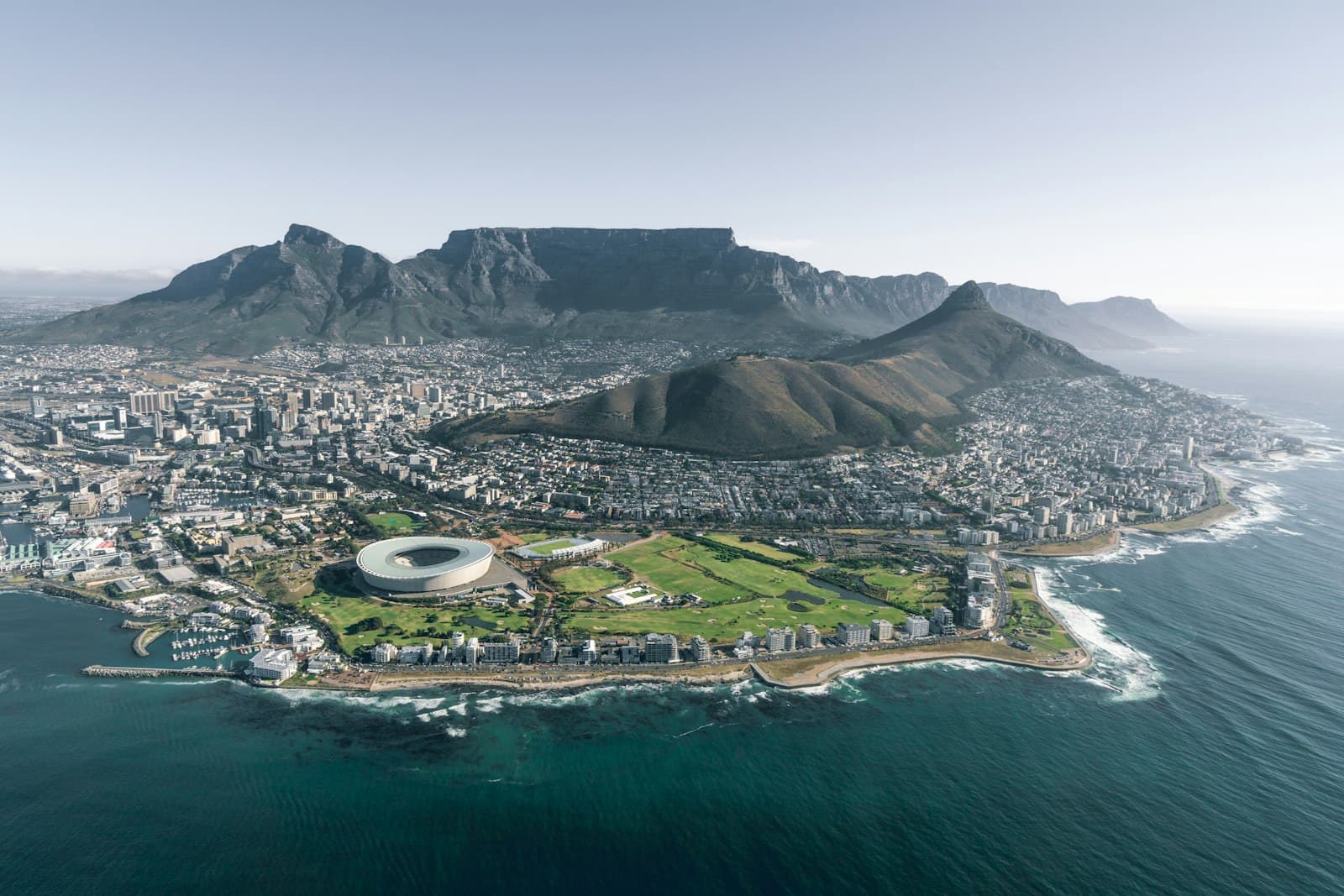
Photo Tobias Reich / Unsplash
What a DMC actually does
A destination management company is the in-country partner an overseas tour operator or travel agency appoints to run the ground arrangements it cannot run itself. In South Africa that means contracting lodges and hotels, arranging transfers, guides and internal flights, holding the local supplier relationships, and being the party on the ground when a plan has to change mid-trip.
The distinction that matters to a buyer is where the operating risk sits. A booking agent passes an enquiry to a supplier. A DMC takes responsibility for the itinerary as a whole — the sequencing, the connections between suppliers, and what happens when a flight moves.
Why South Africa is usually handled locally
South Africa is a long, logistically varied country, and the itineraries overseas operators sell rarely stay in one part of it. A typical trip combines a Big Five reserve, Cape Town and the winelands, and often the Garden Route or KwaZulu-Natal — different provinces, different suppliers, and internal flights between them.
Rates, availability and the practical detail of who can collect whom at which airport are held locally. That is the case for a DMC rather than a direct-contracting model, and it is why most operators selling South Africa appoint a partner in the country rather than assembling the ground product from overseas.
What to ask before appointing one
Ask whether the company is a member of SATSA, the Southern Africa Tourism Services Association. SATSA members are assessed annually against financial, insurance and regulatory requirements, and the association maintains a public member directory that can be checked independently — which is the point of asking.
Ask who will actually plan the itinerary, and what they have seen themselves. A DMC's value is the judgement behind the routing, not the ability to make a booking.
Ask how the company handles a trip that goes wrong in progress — a missed connection, a closed road, a lodge that cannot honour a booking. The answer separates a contracting desk from an operator.
Ask what the company will and will not take on. A partner that says no to work outside its competence is more useful than one that says yes to everything.
Where Famous Africa fits
Famous Africa is a South African company, based in Kempton Park, planning journeys across 13 destinations in East and Southern Africa, the Indian Ocean islands and Antarctica — South Africa among them.
Every itinerary is designed individually rather than sold as a fixed departure, and bookings are made with the relevant lodges and suppliers on the client's behalf. The planning is done by the founder, Colette van Zyl, who was born and raised in Durban, holds a Diploma in Tourism, and began her career working inside luxury lodges before moving into consulting.
For an overseas operator that means a single point of contact who has been in the properties being sold, rather than a queue. It also means the company is deliberately not built for volume: work is taken on where it can be planned properly.
Starting a conversation
An overseas operator or agency looking for a South African partner can reach Famous Africa directly by email or WhatsApp, or through the enquiry form. Trade enquiries are answered by the founder rather than routed through a sales desk.
The useful first message says what you sell, roughly how much of it, and what you currently do about the ground arrangements. That is enough to establish whether there is a fit before either side spends time on rates.