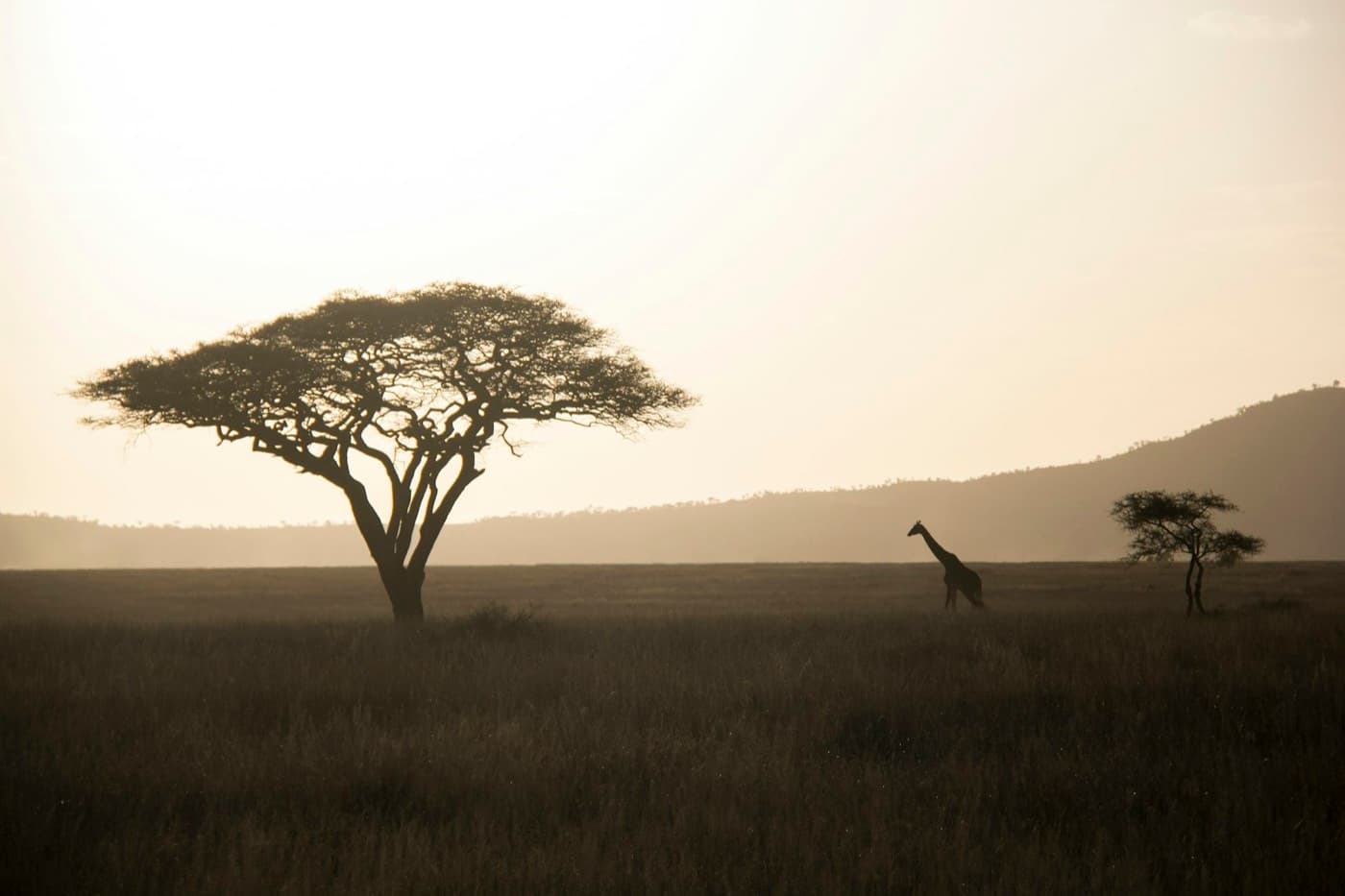
The Serengeti
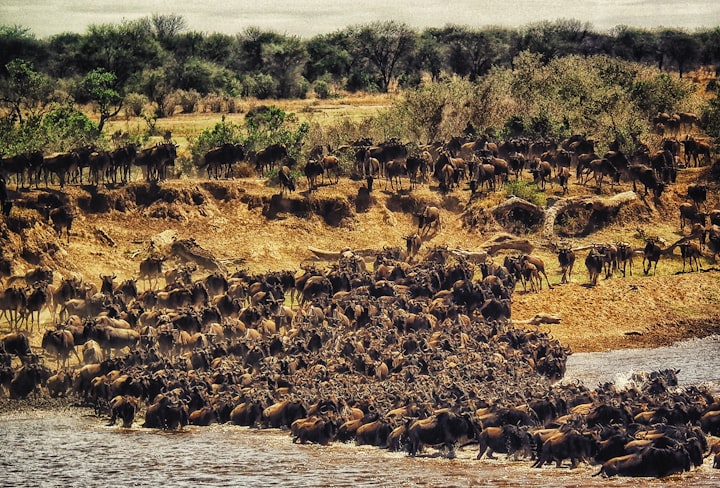
The Serengeti is the ecosystem the wildebeest migration moves through, and it is large enough that where you stay decides what you see.

Ngorongoro Crater. Tropical shores. Zanzibar. Wide savannahs.
East Africa · 4 of 4
Photo Justin Lane / Unsplash
Tanzania offers an extraordinary tapestry of wildlife and landscapes, delivering one awe‑inspiring experience after another.
From the timeless allure of classic savannah safaris in the legendary Serengeti, the giant baobab‑studded plains of Tarangire, and the dramatic, wildlife‑rich Ngorongoro Crater, each destination reveals a new chapter of Africa’s most iconic safari story. Seamlessly complementing these remarkable inland adventures, the idyllic shores of Zanzibar beckon with powder‑soft beaches, turquoise waters, and vibrant coral reefs.
Together, Tanzania presents a perfectly balanced journey — combining thrilling wildlife encounters with serene coastal luxury — for an unforgettable and deeply enriching African escape.
Best time to travel
Jun – Oct · Jan – Feb (calving)
The dry months concentrate game across the Serengeti. January and February bring the calving season on the southern plains. Zanzibar follows its own monsoon pattern. An indicative pattern rather than a forecast; conditions vary year to year.
Start planning
Please answer these few short questions to give us an idea of what kind of a journey you have in mind.
The guide
Tanzania holds the largest concentration of classic safari country in Africa, and its northern circuit — Serengeti, Ngorongoro, Tarangire, Lake Manyara — can be driven as a loop, which is unusual on this continent and part of why it is so popular.
The country also contains Zanzibar, Africa's highest mountain, and a southern and western circuit that most visitors never reach. That gives it two quite different itineraries: the classic loop, and the wilder, harder, emptier one.
The Serengeti is the ecosystem the wildebeest migration moves through, and it is large enough that where you stay decides what you see.
The Ngorongoro Crater is a collapsed caldera holding a resident population of game year-round, including some of the last black rhino in the north.
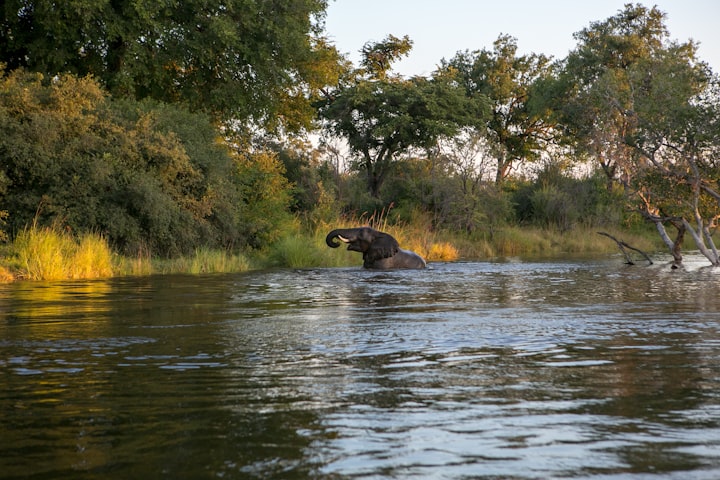
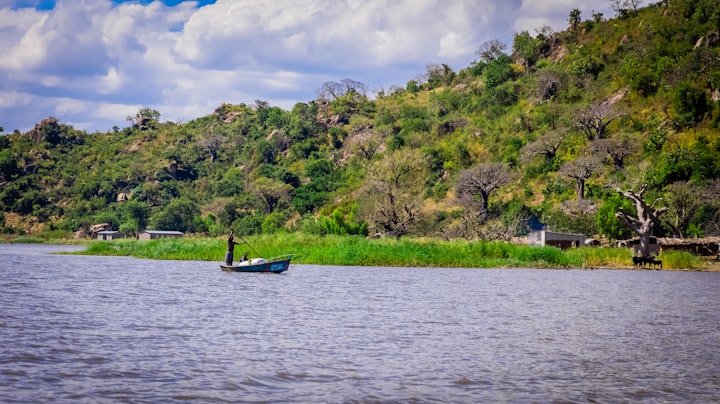
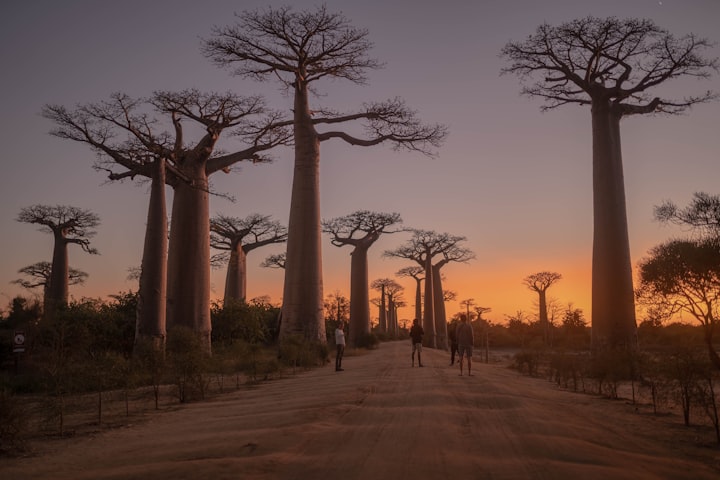
Tarangire is baobab and elephant country and the northern circuit's most underrated park; Lake Manyara is a short, scenic stop beneath the Rift escarpment.
Nyerere, Ruaha, Katavi and Mahale are Tanzania's wild end — far larger, far emptier, and considerably harder to reach.
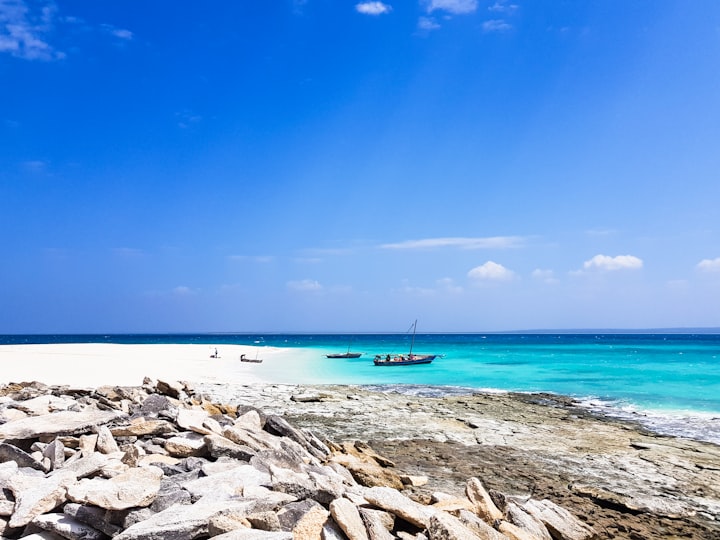
Zanzibar is the standard finish to a Tanzanian safari — a Swahili archipelago with a World Heritage capital and a long history of its own.
In pictures
Photo Dmitrii Zhodzishskii / Unsplash
Photo Justin Lane / Unsplash
Photo Paola Blašković / Unsplash
Photo Partha Narasimhan / Unsplash
Photo roya ann miller / Unsplash
Planning Tanzania
Jun – Oct · Jan – Feb (calving). The dry months concentrate game across the Serengeti. January and February bring the calving season on the southern plains. Zanzibar follows its own monsoon pattern.
Famous Africa plans Tanzania as a tailor-made itinerary rather than a fixed departure, on its own or combined with neighbouring countries. Nothing is sold as a set package, so the routing, lodges and length are decided with the traveller.
Tanzania offers an extraordinary tapestry of wildlife and landscapes, delivering one awe‑inspiring experience after another. Ngorongoro Crater, Tropical shores, Zanzibar, Wide savannahs.