
Zimbabwe · Southern Africa
Hwange.
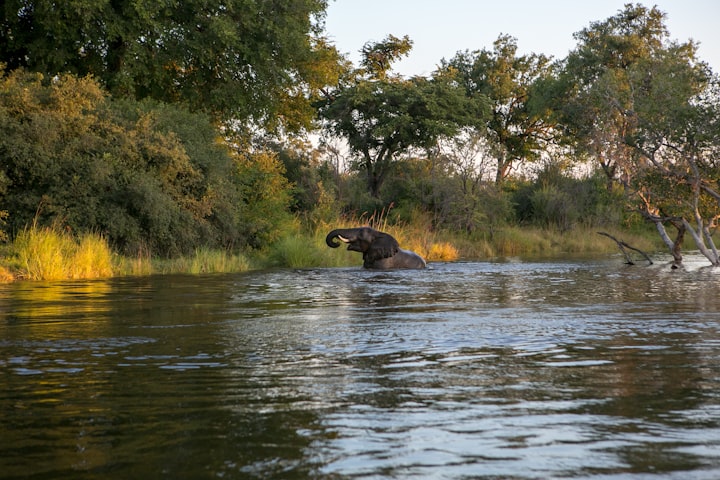
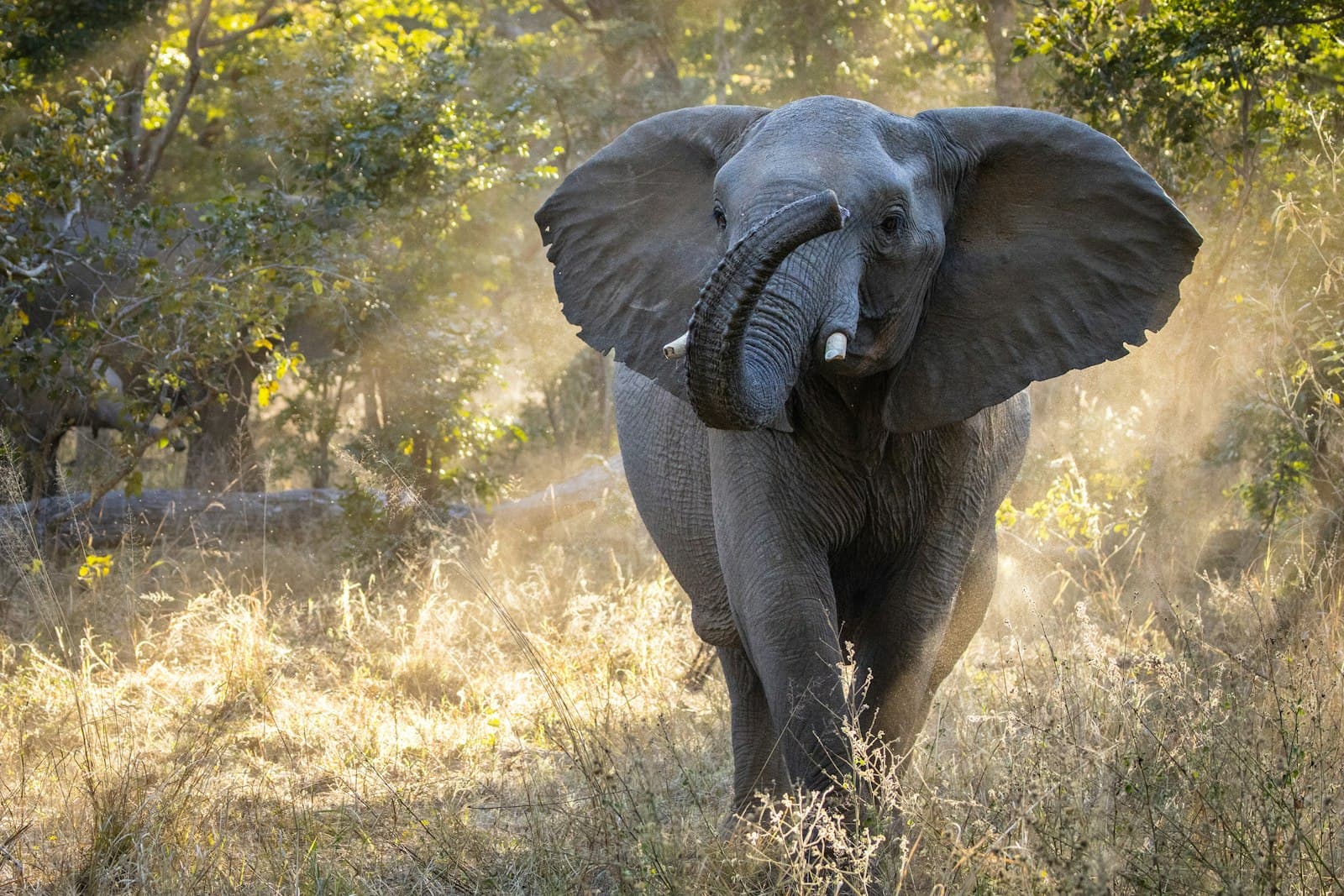
Hwange is Zimbabwe's largest park and holds one of the biggest elephant populations in Africa.
Photo Ian Mackey / Unsplash
Much of the park has no natural surface water in the dry season, so game concentrates at pumped waterholes — which makes for extraordinary, predictable dry-season viewing and gives rise to the hides that Hwange is known for.
It is an easy add to Victoria Falls, roughly two hours by road or a short hop by air, which is why the two are so often sold together.
How do you get to Hwange National Park?
From Victoria Falls, about two hours by road to the Main Camp side of the park, or a short light-aircraft flight to the airstrips that serve the private concessions. Victoria Falls Airport has regional flights, most often from Johannesburg, so the two are easily combined.
How big is Hwange National Park?
About 14,600 square kilometres, Zimbabwe's largest national park. It borders Botswana on its western side and forms part of the Kavango-Zambezi Transfrontier Conservation Area, so animals move freely between the two countries.
Why are there waterholes in Hwange?
Because the park sits on Kalahari sand with very little surface water of its own. Boreholes pump water into pans across the park, and those pans are what keep its large elephant population there. Game gathers around them, which is why Hwange is known for hides and ground-level viewing at the water's edge.
Can you see wild dog in Hwange?
Hwange is one of the better parks in southern Africa for painted wolves, also called wild dog, and a painted dog conservation centre near Main Camp explains the research and rehabilitation work in the area. Sightings depend on where the packs are denning.
How long should you spend in Hwange?
Three or four nights. It is most often paired with Victoria Falls at one end and Mana Pools or Matobo for a longer Zimbabwe trip.
What is there to see in Hwange?
What does Hwange pair well with?
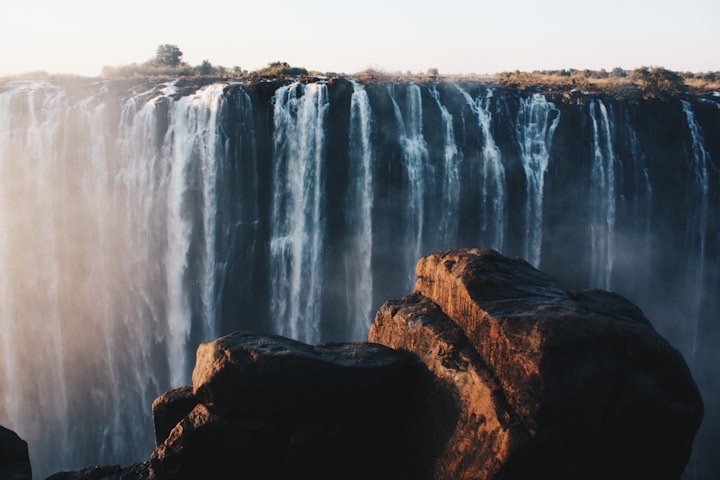
- Victoria FallsThe Zimbabwean side holds most of the panoramic frontage, and the town is the region's adventure capital.
- Mana PoolsMana Pools is a World Heritage Site on the Zambezi and one of the few African parks where you may walk unguided — though almost nobody should.
- Matobo and the Eastern HighlandsMatobo is granite, rock art and rhino tracking on foot; the Eastern Highlands are green mountains that look nothing like the rest of the country.
- Chobe and the Linyanti, BotswanaChobe holds one of the largest elephant populations in Africa, concentrated along its river frontage in the dry months.
Planning
Start planning your adventure